
Drone Inspections in St. Petersburg, FL

DRONE INSPECTIONS IN ST. PETERSBURG
Drone inspections in St. Petersburg deal with a specific combination of problems: salt air, storm exposure and a lot of older building stock sitting directly on the water. Seawalls, flat commercial roofs, parking structures and waterfront facades all degrade faster here than inland, and all of them are awkward and expensive to get a person onto.
We have flown inspection work in this market, including aerial inspection at Tropicana Field. The value is straightforward: a dated, high resolution record of every elevation that an engineer, roofer or adjuster can actually work from, captured in a fraction of the time and none of the risk of a lift or a rope team.
Airspace is comparatively easy here. St. Pete-Clearwater International is Class D with a 4.9 mile radius, despite the international name, and Albert Whitted downtown is also Class D. Both sit under Tampa Class B shelves rather than under Class B reaching the surface, which makes Pinellas noticeably simpler to work than Hillsborough. Authorization is still usually required and we file it before the visit. Every flight is run by an FAA Part 107 licensed remote pilot on registered, insured aircraft.
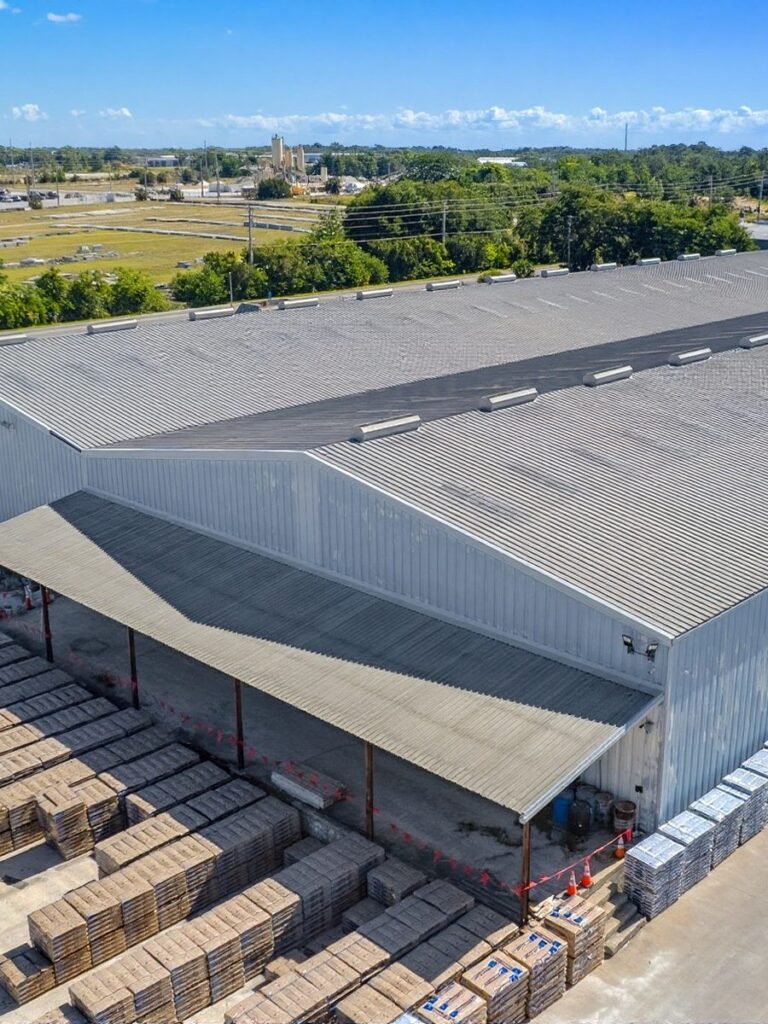
WHAT WE INSPECT IN ST. PETERSBURG
Commercial And Flat Roofs
Seams, flashing, drains, HVAC curbs and ponding documented close range without anyone on the deck.
Seawalls And Waterfront
Cap condition, tie back evidence, scour and shoreline structures shot from angles a boat cannot hold steady for.
Post Storm Assessment
Rapid dated capture across a property or portfolio after an event, prioritized during Florida storm season.
Organized Deliverables
Images grouped by elevation and asset with notes, so a report writer is not working from an unsorted folder.
PINELLAS AREAS WE COVER
We inspect across Pinellas County, from the downtown waterfront out to the barrier islands and north through Clearwater and Dunedin. Coastal wind sets the flight window more often than airspace does, and we plan the visit around both.
St. Petersburg
- Downtown St. Pete
- Historic Gas Plant District
- Old Northeast
- Snell Isle
- Gulfport
- Tierra Verde
- Pinellas Point
- Kenwood
Beaches
- St. Pete Beach
- Treasure Island
- Madeira Beach
- Redington Beach
- Indian Rocks Beach
- Clearwater Beach
- Belleair
- Pass-a-Grille
North Pinellas
- Clearwater
- Largo
- Pinellas Park
- Seminole
- Dunedin
- Safety Harbor
- Oldsmar
- Palm Harbor
Need a closer look at a Pinellas structure?
RECENT FLORIDA PROJECTS
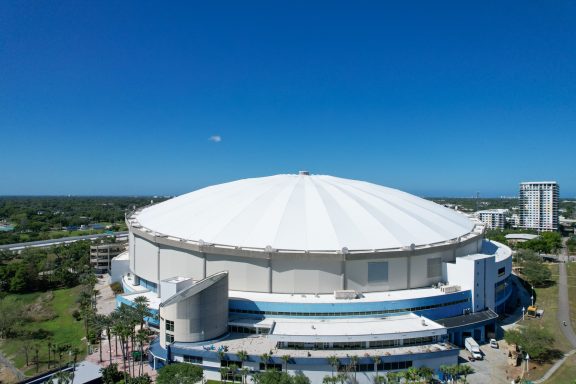
Inspection
Tropicana Field Roof
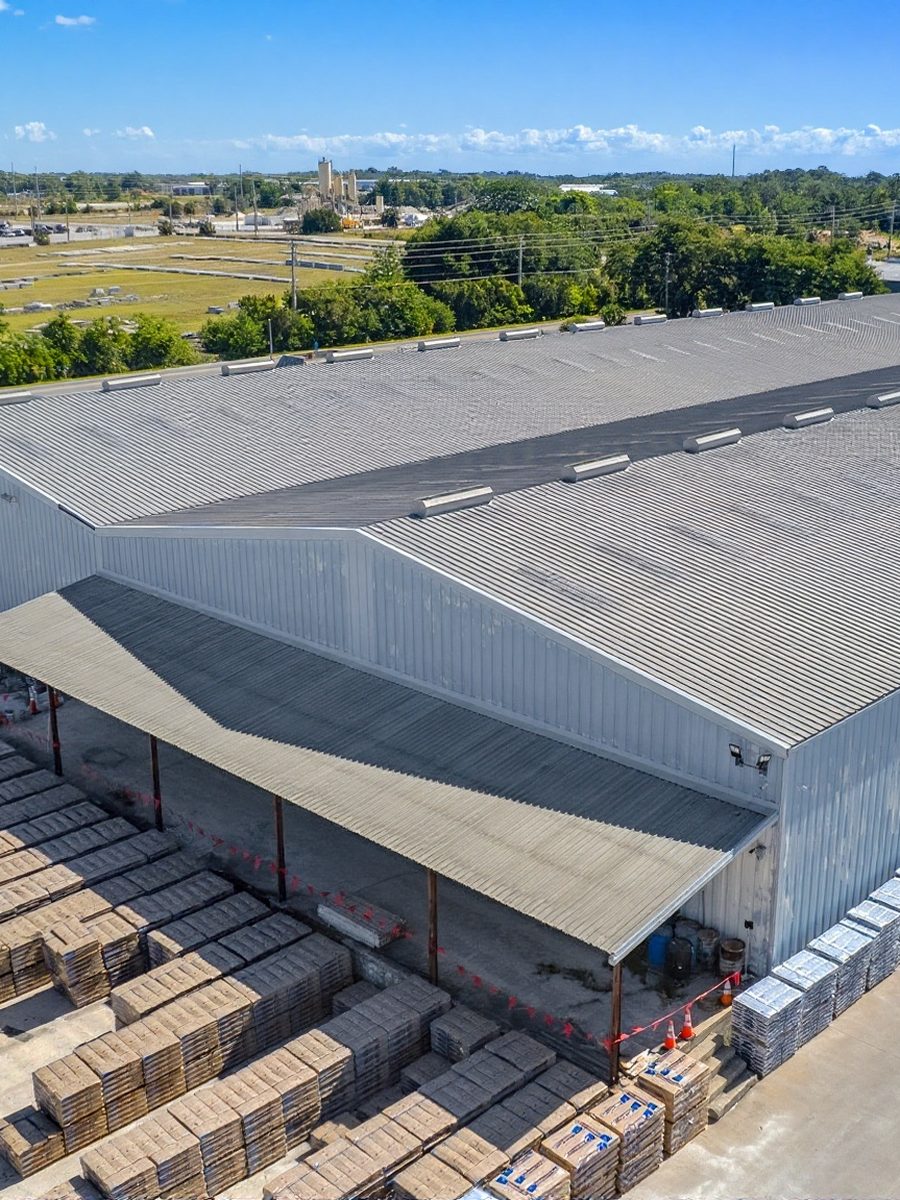
Industrial
Industrial Facility
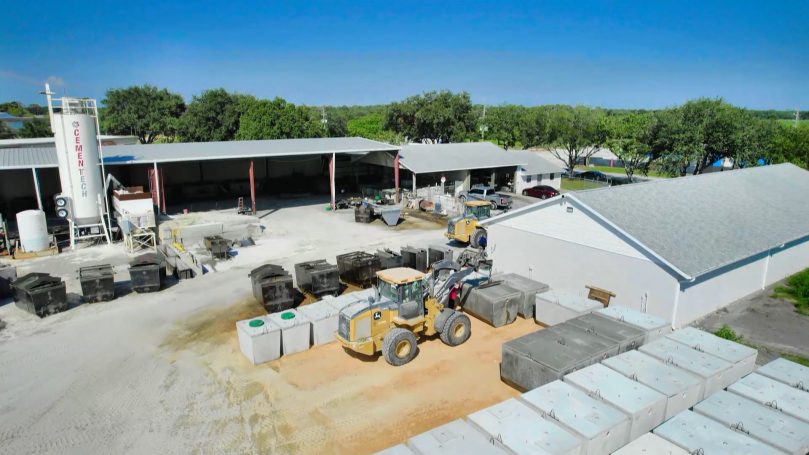
Commercial
Site Overview
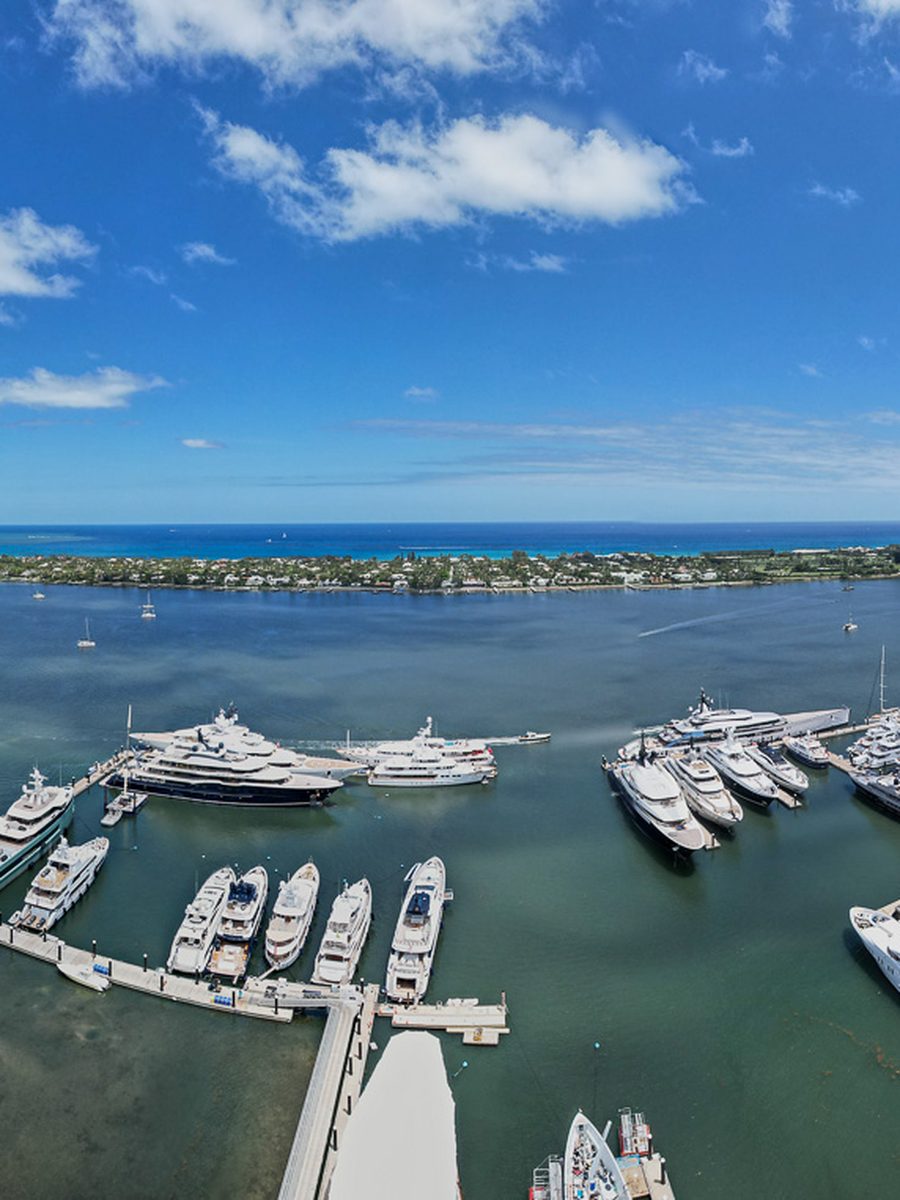
Waterfront
Marina And Waterfront
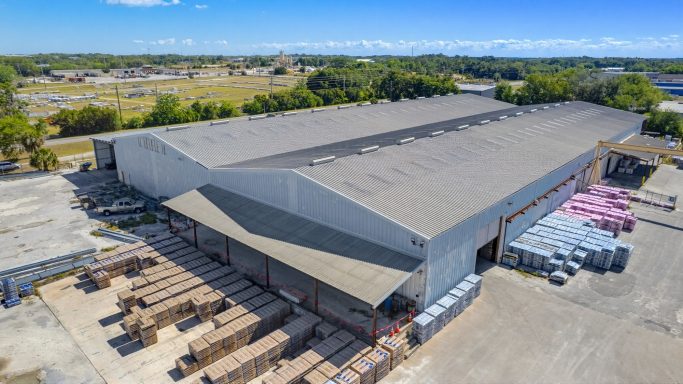
Warehouse
Warehouse Aerial
Frequently Asked Questions
Questions about what we can inspect, how close we can safely fly, deliverables and coastal scheduling. Send us the asset and address and we will confirm what is possible.
Yes. Our portfolio includes aerial inspection work at Tropicana Field, alongside commercial roof and waterfront structure work across Pinellas County.
Noticeably. St. Pete-Clearwater International is Class D with a 4.9 mile radius and Albert Whitted is Class D, and both sit under Tampa Class B shelves rather than under Class B reaching the surface. Authorization is still usually needed, but far fewer addresses are problematic than across the bay.
No. We capture and organize the imagery. A licensed engineer, roofer or adjuster interprets it and signs the report. Many of our clients are exactly those professionals, using us so they do not have to get on the roof to see it.
Yes, and it is a strong use case in this market. Cap condition, joint separation, scour and shoreline erosion all read clearly from a stable overhead position that a boat cannot provide.
Close enough to resolve individual fixings and cracks on most assets, while keeping safe standoff from the structure and from people. Wind and GPS behavior near large concrete and steel affect how tight we can safely work, and we will say so rather than pushing it.
It is the main variable. Gulf and bay sites are often clean in the morning and marginal by afternoon. We book the calm window and reschedule at no charge rather than deliver imagery an engineer cannot use.
Organized deliverables within one to two business days. Urgent post storm assessments are prioritized, which in Florida is exactly when it matters.
Yes. Liability coverage with certificates available to your risk or property management team before the visit. Statewide detail is on our drone inspections page, and the local service list on our St. Petersburg drone services page.